What is Yoga?
The practice of yoga, or yog as it is correctly known, is derived from the Sanskrit word ‘yuj’, which literally means to merge, join or unite. It also represents unity, and yoga is the union of the mind, body and breath. Yoga is the art of knowing oneself, the functions of the body, the rhythm of the mind and the ability to look at all aspects of life evenly.
Yoga is a spiritual practice which originated in India over 5000 years ago. Early writings of yoga were transcribed on fragile materials such as palm leaves which were easily damaged or lost, and with its teachings being passed down through oral communication, it is difficult to pinpoint its exact time of origin.
The practice of yoga has been adopted by many religions such as Buddhism, Hinduism and Jainism, but as yoga is a spiritual practice, it is compatible with all religious practices, including those such as Catholicism and Atheism.
Why Practice Yoga?
Practicing yoga offers a multitude of benefits that extend beyond the physical realm, encompassing mental, emotional, and spiritual wellbeing. At its core, yoga is a holistic discipline that encourages the harmonisation of the body and mind. Through a combination of postures (asanas), breath control (pranayama), and meditation, yoga cultivates a sense of balance and connection that can greatly enhance one’s quality of life.
Physically, regular yoga practice improves flexibility, strength, and balance. The various asanas target different muscle groups, promoting joint health and reducing the risk of injury. Beyond the physical gains, yoga is a powerful stress-reliever. The deliberate focus on breath and movement calms the nervous system, reducing the production of stress hormones and fostering a sense of relaxation. This, in turn, can lead to improved sleep patterns, heightened energy levels, and a stronger immune system.
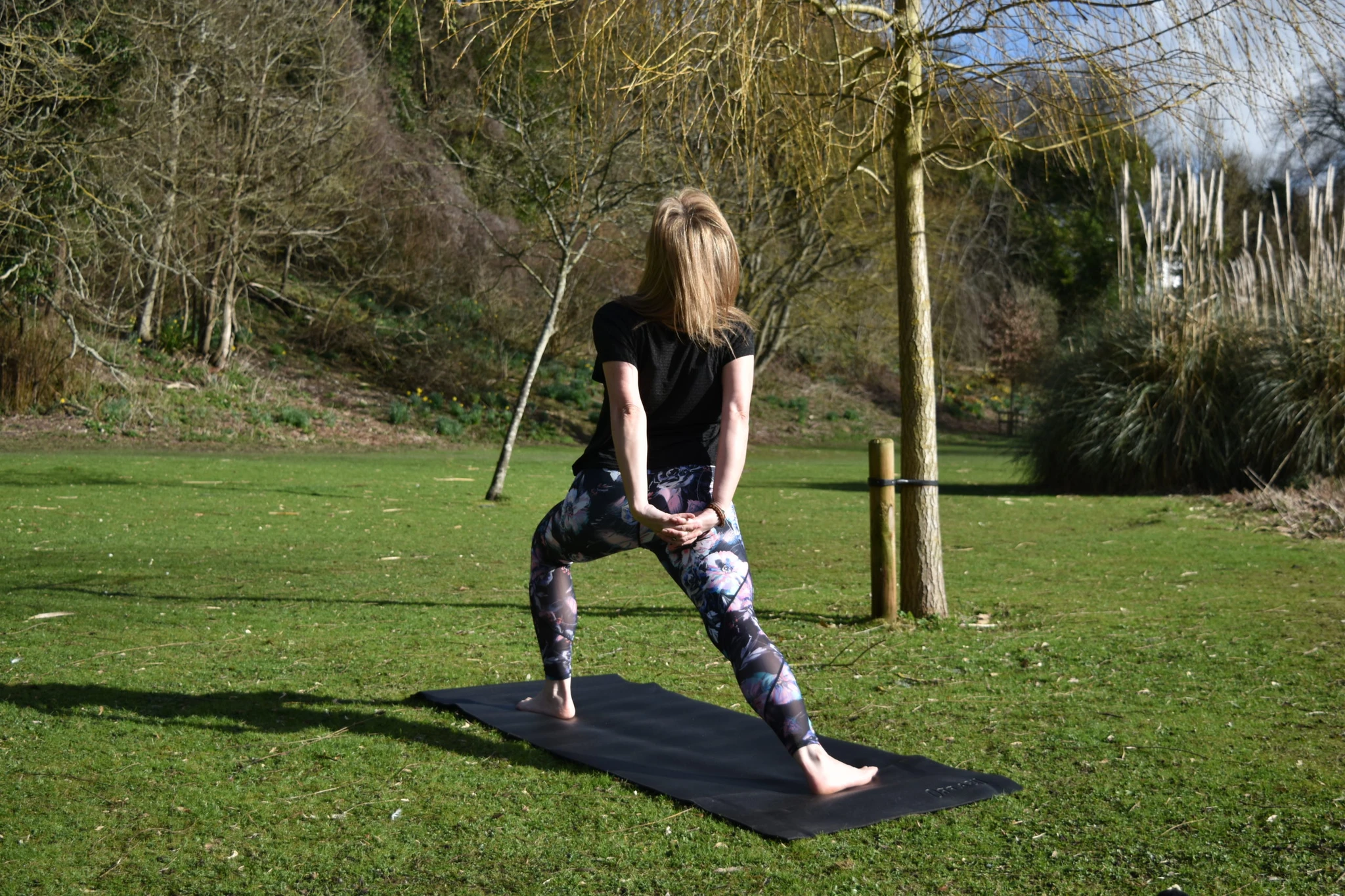
On a mental and emotional level, yoga encourages mindfulness and self-awareness. The practice of mindfulness during yoga sessions translates into increased presence and attentiveness in daily life, aiding in the management of stress, anxiety, and depression. Through meditation and self-reflection, individuals can develop greater emotional resilience and a heightened sense of inner peace. Additionally, yoga’s emphasis on cultivating a non-judgmental attitude towards oneself and others fosters self-acceptance and compassion, promoting healthier relationships and improved emotional well-being.
Furthermore, yoga provides a pathway to spiritual exploration and growth. Many forms of yoga incorporate philosophical teachings and ethical principles that encourage self-discovery, introspection, and a sense of interconnectedness with the universe. This can lead to a profound sense of purpose and a deeper understanding of one’s place in the world. In essence, practicing yoga offers a holistic journey towards physical health, mental clarity, emotional balance, and spiritual insight, making it a valuable and enriching practice for people of all ages and backgrounds.
Yin Yoga
Yin yoga is a deep, passive style of yoga where postures are held for much longer periods of time, anything from one to five minutes. The challenge is to remain physically motionless whilst cultivating a state of stillness within the mind. There are approximately twenty Yin postures with variations for beginners and more advanced practitioners.
Yin yoga is predominantly floor based, compared to yang-like practices such as Hatha and Ashtanga. It works by targeting the joints, ligaments, tendons and deep fascia networks of the body, with many postures focusing on connective tissues of the hips, pelvis and lower spine. Yin is a great way to maintain or increase flexibility which is something we don’t notice until it is gone. Yin yoga encourages the flow of energy (prana) which keeping the muscles as cool as possible. This gives the body time to adjust and relax into a pose for a longer period of time.